
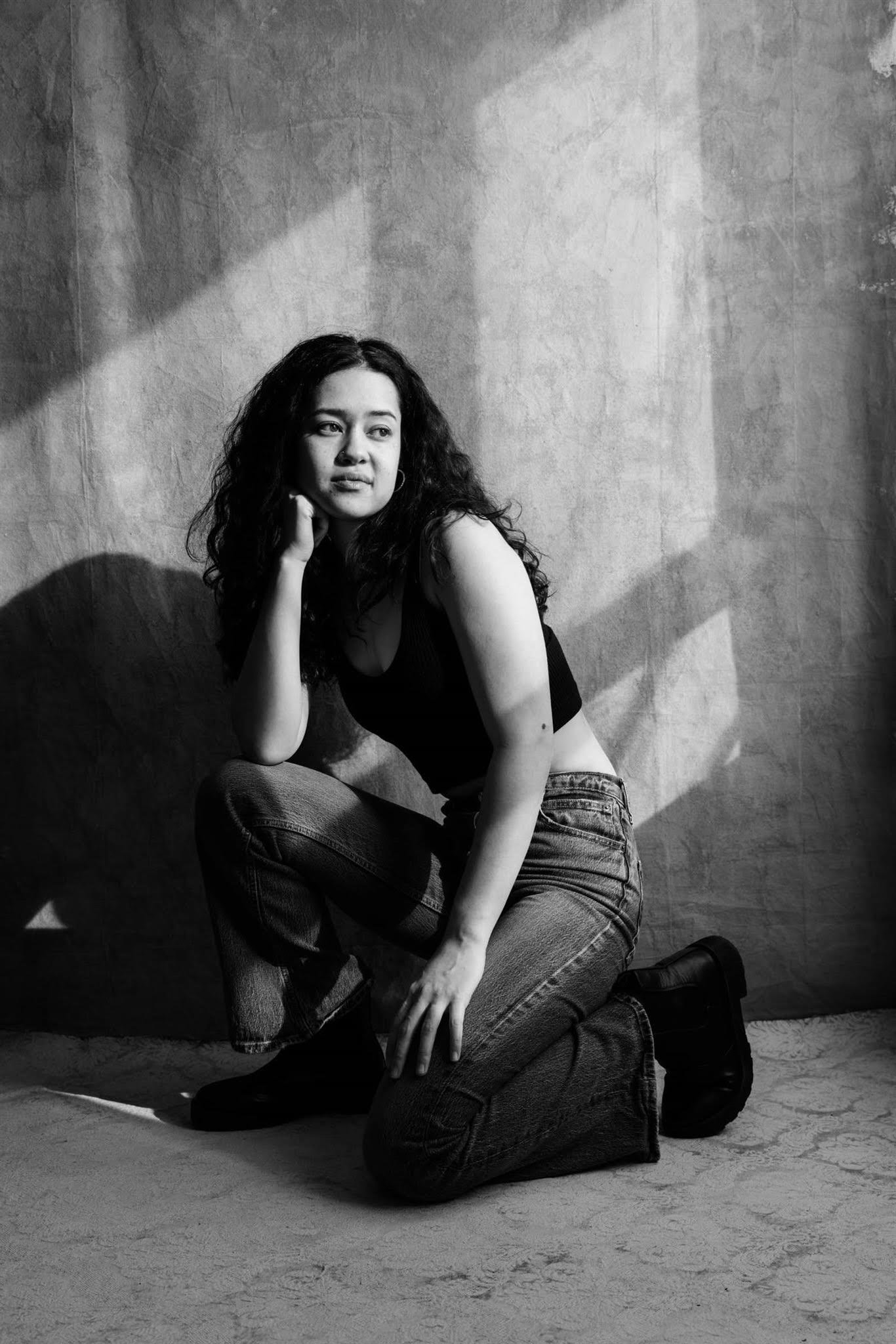
How I Came to This Work
Astrology first entered my life as a teenager. At the time, it was simply a curiosity. In college it became a serious hobby; something I returned to again and again with increasing interest. By graduate school, I began studying it more deliberately: taking classes, learning technique, and slowly integrating it alongside my philosophical and religious studies. What began casually, over time, became disciplined.
Somewhere along the way it also became the thing friends would ask me about at gatherings. I would find myself looking at someone’s chart on a laptop in the corner of a living room, or being asked, half-seriously, “so…what exactly is going on in the sky right now?” What started as curiosity gradually turned into a practice.
Today I teach religious studies and philosophy at a boarding school in New England. Teaching is work I care deeply about. I often think of it as one of the most meaningful responsibilities a person can hold: helping young people encounter the symbolic systems, belief structures, and practices that have shaped human life across cultures and centuries. In the classroom, I get to watch students wrestle with fundamental questions about reality: questions about meaning, ethics, suffering, purpose, and the nature of the divine. These are the kinds of questions that have animated human thought for millennia, and in many ways they are the questions that first drew me to philosophy and theology myself.
Part of what makes the work so meaningful is that I didn’t always have that kind of space growing up. There are moments in class when I find myself thinking, I really wish someone had invited me into these conversations when I was sixteen! It’s a privilege to now be able to hold that space for others.
Teaching has also shaped how I approach astrology. It has trained me to hold complexity without theatrics, to speak with care, and to respect the real conditions under which people try to make sense of their lives. I try to bring that same ethic into every chart reading.
Furthermore, over the years I have also spent a great deal of time in therapy as a way of working through my upbringing. I owe much of my integration, restraint, and clarity to that process. Astrology, for me, is not a substitute for therapy, nor does it attempt to replace it. But therapy taught me something essential: real understanding takes time, patience, and honesty. Those values shape how I approach chart work.
Along the way I have explored other practices as well—Ayurveda, womb-centered bodywork, craniosacral therapy, and periods of study in Vedic astrology. These were not formal professional trainings so much as ways of deepening my relationship to embodiment and pattern. They reminded me that understanding does not arise through thought alone—even for someone as intellectually inclined as I am!
I read charts because I am interested in how people meet (or, quite frankly, return to) themselves over time. Astrology offers a language for observing patterns: tensions that repeat, gifts that develop slowly, cycles that intensify at particular moments in life. It does not remove the mystery of a life, but it can illuminate the shape it is taking.
To sit with someone in that process is something I consider an honor. If this approach resonates with you, I’d be glad to explore your chart together.

Background
I grew up mixed-race (I’m blasian!) in Seattle in a household that, at times, was marked by instability and dysfunction. School quickly became a refuge for me. It offered something my home life often did not: structure. And structure, for a young person trying to find footing, can be powerful. Learning gave me language, direction, and eventually possibility. I would not be who I am without the deeply attentive teachers who nurtured my curiosity along the way.
Growing up between cultures also shaped the kinds of questions I found myself asking. Identity, belonging, and power were not abstract ideas to me—they were part of the texture of everyday life. That curiosity eventually led me to philosophy.
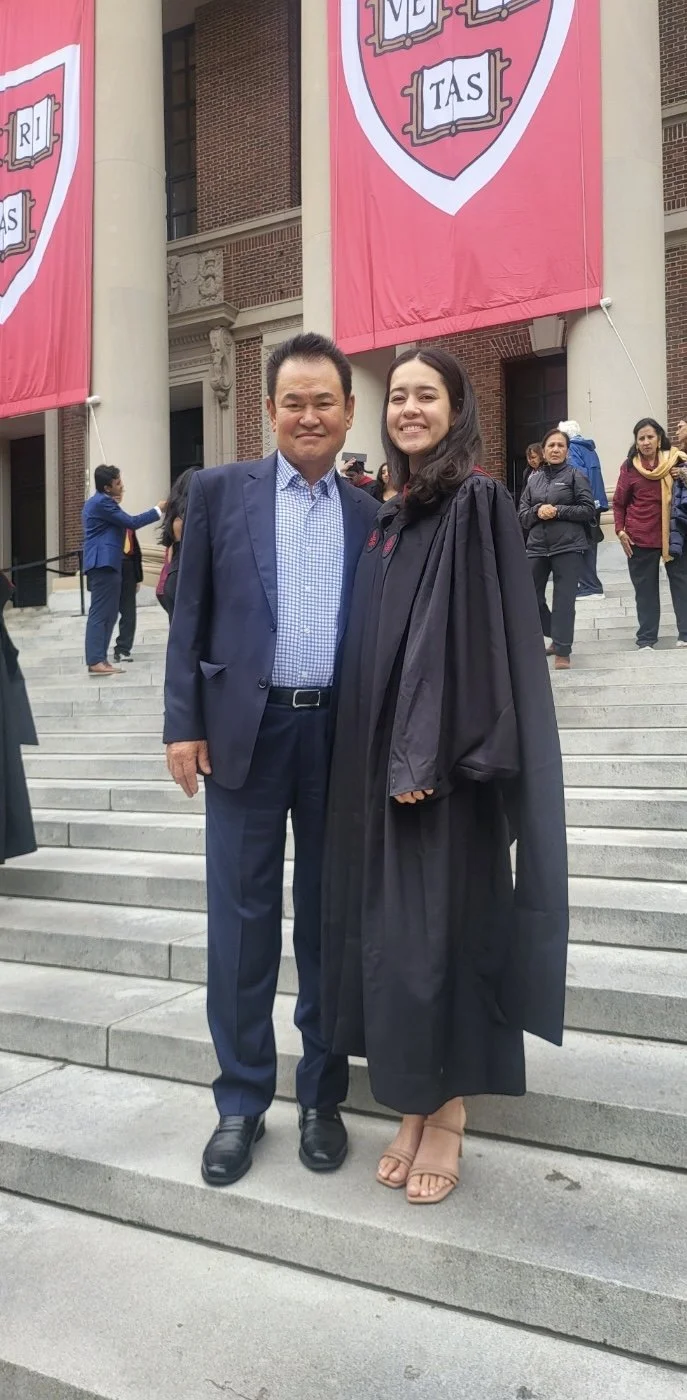
I studied philosophy at Seattle Pacific University and later attended Harvard Divinity School, where I focused on philosophy of religion. My graduate work explored comparative theology, metaphysics, Buddhist philosophy, and even angelology. At the same time, I was drawn to critical approaches to religion that grapple seriously with questions of race, gender, sexuality, and power.
Across all of that study, I kept returning to the same realization: human beings live within symbolic systems whether we consciously acknowledge them or not. The deeper question isn’t whether we use these systems, but how consciously we engage with them.
In many ways, my path to astrology grew out of that same question: how do we understand the patterns that shape a human life?

Study & Training
Formal Education
Harvard Divinity School — Master of Theological Studies (Philosophy of Religion emphasis)
Seattle Pacific University — Bachelor of Arts in Philosophy
Astrological Study
My approach to astrology has developed through mentorship, coursework, and extensive independent study.
Liminal Woman Mystery School :: Britt Johnson (Evolutionary Astrology)
Study of Vedic (Jyotish) astrology through the work of James Braha and Komilla Sutton
Ongoing independent study across Western, evolutionary, and traditional astrological traditions
Astrology is ultimately a lifelong discipline, and my practice continues to deepen through study and client work.